Forgiveness
The Human Struggle
What was done was wrong. Genuinely, deeply wrong. And the expectation to 'just forgive' feels like being asked to pretend it didn't matter, or to let them off the hook. The wound is too fresh, too deep, or too repeated. The idea of forgiveness feels like losing.
The Root Issue
Unforgiveness chains people to past wounds. It feels like power but functions like poison. When we refuse to forgive, we do not harm the offender — we harm ourselves. The root beneath unforgiveness is often the belief that justice will only be served if we hold on.
What Scripture Says
God commands forgiveness — not because the offense wasn't real, but because He has the justice account and we do not. Forgiveness is not the same as reconciliation. It does not require trust to be instantly restored. It is releasing vengeance to God so you are free to move forward.
"For if you forgive other people when they sin against you, your heavenly Father will also forgive you. But if you do not forgive others their sins, your Father will not forgive your sins."
Matthew 6:14–15
"Bear with each other and forgive one another if any of you has a grievance against someone. Forgive as the Lord forgave you."
Colossians 3:13
"Do not take revenge, my dear friends, but leave room for God's wrath, for it is written: 'It is mine to avenge; I will repay,' says the Lord."
Romans 12:19
"Get rid of all bitterness, rage and anger... Be kind and compassionate to one another, forgiving each other, just as in Christ God forgave you."
Ephesians 4:31–32
"Jesus answered, 'I tell you, not seven times, but seventy-seven times.'"
Matthew 18:22
Lies We Believe & Truth That Sets Free
Lies We Believe
- Forgiving means saying what they did was okay.
- If I forgive, they win.
- I'll forgive when they apologize or change.
- I can forgive in my heart but never speak to them again.
- I've forgiven — but I keep feeling angry, so I must not have really done it.
Truth That Sets Free
Forgiveness does not excuse evil. It releases vengeance to God and frees you from being chained to the offense. You can forgive someone completely and still maintain wise boundaries. Forgiveness is the beginning, not the end — trust is rebuilt over time with evidence.
Grace-Filled Next Steps
Recognize that forgiveness is first an act of obedience, then an emotion that follows.
Pray for the person who hurt you — this is the hardest and most transforming practice.
Release the right to retaliation to God — He is a better judge than you.
Distinguish between forgiveness (required) and reconciliation (conditional on repentance).
If the wound is deep, pursue pastoral or biblical counseling to process it properly.
Do not expect the feeling of forgiveness to arrive before the choice.
Biblical Practices
Write a forgiveness prayer and pray it daily until the bitterness loosens
Read Matthew 18:21–35 — the parable of the unmerciful servant
Ask: 'What have I been forgiven?' — let that answer fuel your capacity to forgive
Bless the person who hurt you in prayer — do not curse them, even in your mind
If reconciliation is possible and safe, take one step toward it
Prayer
Warning & Hope
Warning if Ignored
Hebrews 12:15 warns of a 'root of bitterness' that springs up and defiles many. Unforgiveness is not a private matter — it corrupts your relationship with God, your relationships with others, and your own soul. Jesus is clear that receiving forgiveness and extending forgiveness are linked.
Hope in Christ
The cross is the ultimate act of forgiveness — God forgiving the undeserving, the rebellious, the enemy. If Christ could forgive that from that place, then through His Spirit, you can forgive what has been done to you. This is not natural. It is supernatural. And it is exactly what the Spirit makes possible.
Recommended Reading
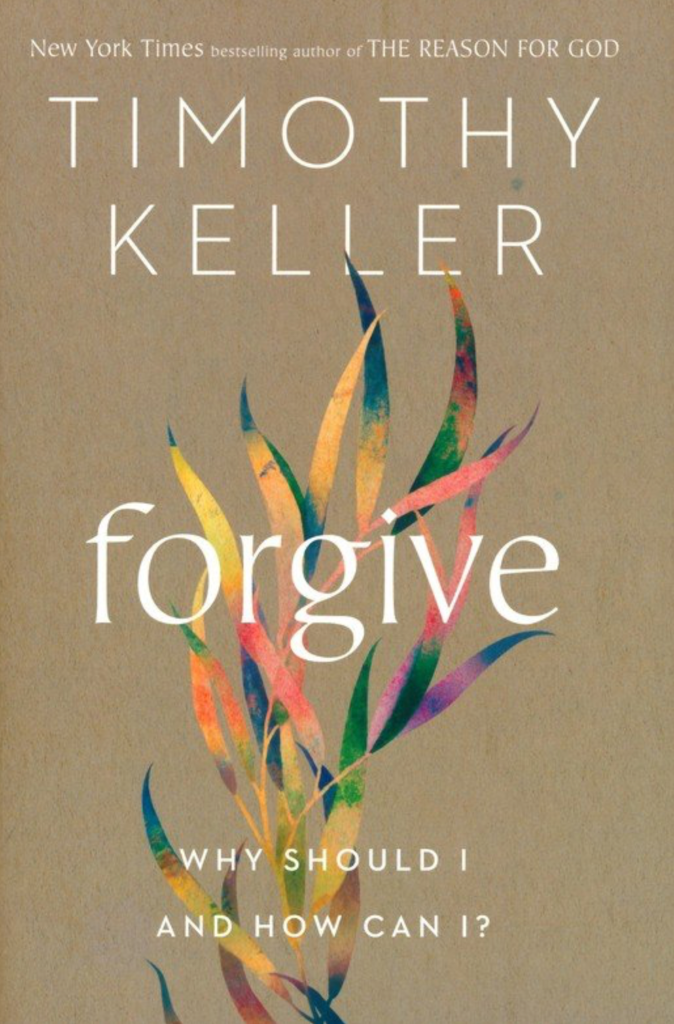
Forgive: Why Should I and How Can I?
Timothy Keller
A biblical exploration of forgiveness that helps readers develop tools and resources to move forward without sacrificing justice or their humanity.
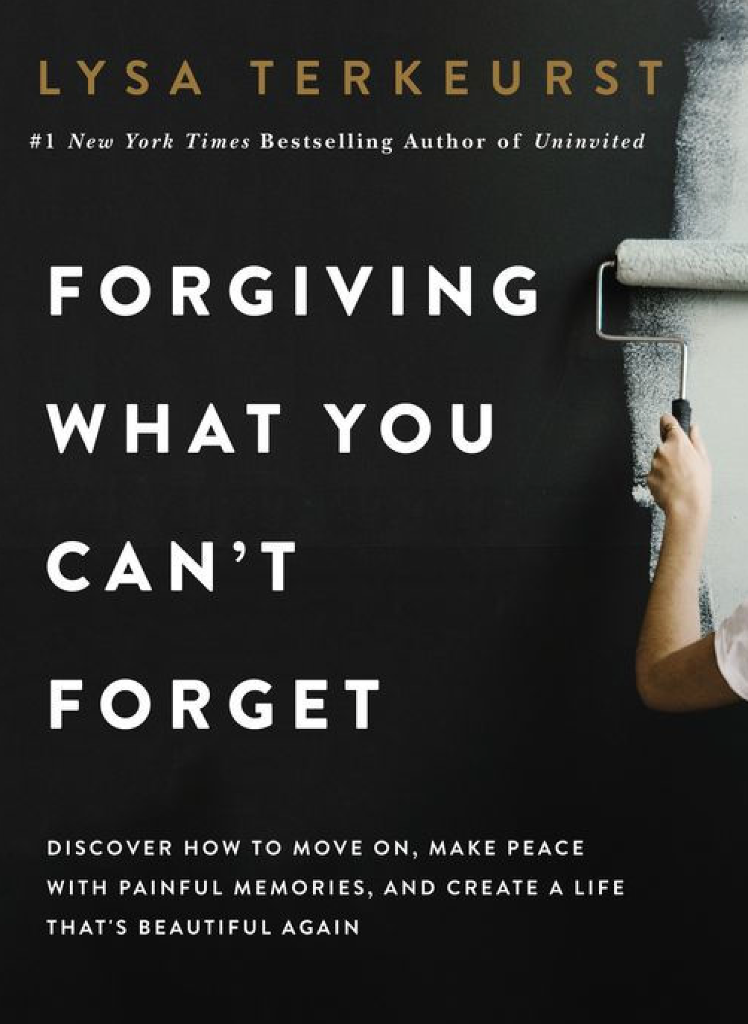
Forgiving What You Can't Forget: Discover How to Move On, Make Peace with Painful Memories, and Create a Life That's Beautiful Again
Lysa TerKeurst
A New York Times bestseller offering deep empathy, therapeutic insight, and rich Bible teaching to help readers let go of bound-up resentment and overcome the resistance to forgiving people who aren't willing to make things right.

