Conflict & Reconciliation
The Human Struggle
A relationship has fractured — at church, in the family, in the workplace. Attempts to address it have either been avoided or made worse. The estrangement has lasted so long it has hardened into normal. Or the wound from a confrontation that went badly is still raw.
The Root Issue
Conflict avoidance and relational destruction both stem from placing self-protection above obedience. God calls believers toward truth, humility, and reconciliation — not because it is comfortable, but because broken relationships grieve Him and damage the witness of the Church.
What Scripture Says
Matthew 18 gives a clear, specific process for conflict resolution — go directly to the person, bring a witness if unresolved, involve the church if necessary. Romans 12:18 says 'as far as it depends on you, live at peace with everyone.' The qualifier is important: reconciliation requires both parties. But the pursuit is your responsibility.
"If your brother or sister sins, go and point out their fault, just between the two of you. If they listen to you, you have won them over."
Matthew 18:15
"If it is possible, as far as it depends on you, live at peace with everyone."
Romans 12:18
"Instead, speaking the truth in love, we will grow to become in every respect the mature body of him who is the head, that is, Christ."
Ephesians 4:15
"If you are offering your gift at the altar and there remember that your brother or sister has something against you, leave your gift there... first go and be reconciled."
Matthew 5:23–24
"A gentle answer turns away wrath, but a harsh word stirs up anger."
Proverbs 15:1
Lies We Believe & Truth That Sets Free
Lies We Believe
- If they had come to me first, I would have responded.
- Avoiding this is keeping the peace.
- The relationship is too far gone to repair.
- They have to apologize before I do anything.
- Bringing this up will only make it worse.
Truth That Sets Free
God calls believers toward truth, humility, and reconciliation. Not every broken relationship will be fully restored — that requires both parties. But the pursuit of peace, the willingness to speak truth in love, and the choice to forgive are your responsibilities regardless of the other person's response.
Grace-Filled Next Steps
Pray for the person and for your own heart before any conversation.
Go directly to the person — not to mutual friends first.
Speak truth with gentleness — focus on the issue, not the character.
Listen as much as you speak — seek to understand before being understood.
If the first conversation fails, follow Matthew 18's process.
If reconciliation is impossible, forgive anyway and release the relationship to God.
Biblical Practices
Pray for the person daily for one week before approaching them
Write out what you want to say — then remove everything that isn't about repair
Ask a wise mediator to be present if the conversation is high-stakes
Read Matthew 18:15–20 and follow the process step by step
Examine your own contribution to the conflict before addressing theirs
Prayer
Warning & Hope
Warning if Ignored
Unresolved conflict does not stay unresolved — it escalates. Gossip fills the silence. Camps form. Whole churches have split over conflicts that a humble Matthew 18 conversation could have resolved. Families carry estrangements for decades over issues that were never directly addressed.
Hope in Christ
God, who was estranged from humanity by sin, pursued reconciliation at the highest possible cost. The ministry of reconciliation (2 Corinthians 5:18–19) is not just vertical — it is horizontal. Every repaired relationship is a visible testimony to what the gospel does. Your pursuit of peace with another person reflects the heart of God.
Recommended Reading
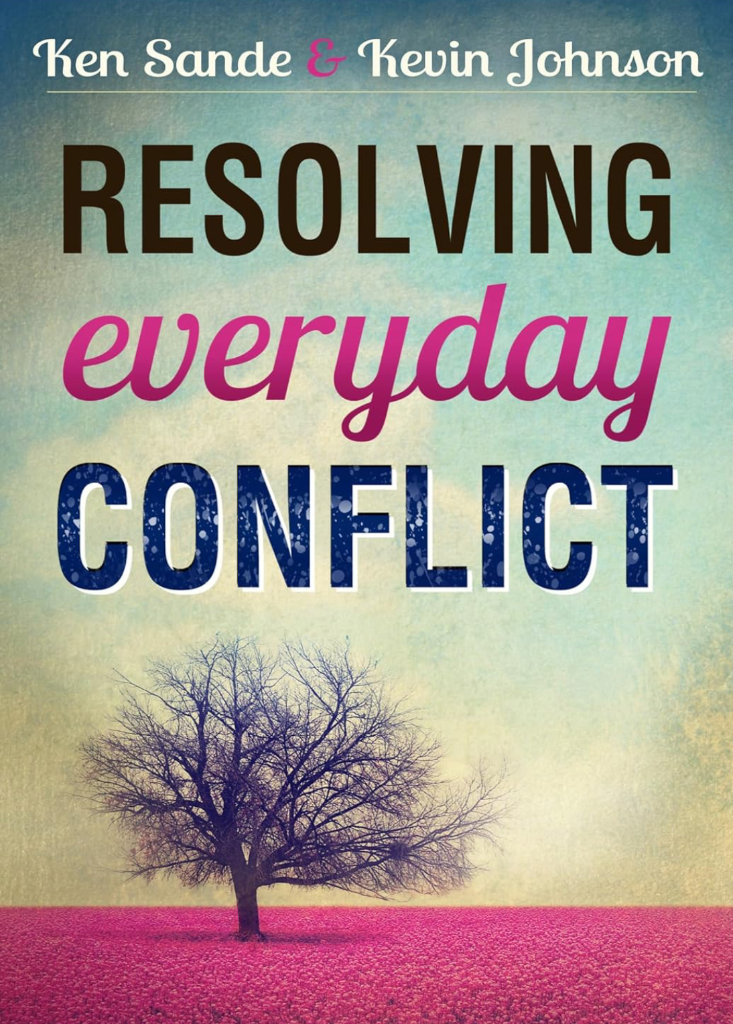
Resolving Everyday Conflict
Ken Sande & Kevin Johnson
Ken Sande and Kevin Johnson provide a practical, biblical framework for addressing conflict with honesty, gentleness, and a genuine desire for restoration. This book equips readers with proven tools to transform conflict from division into opportunity for deeper relationships and spiritual growth.
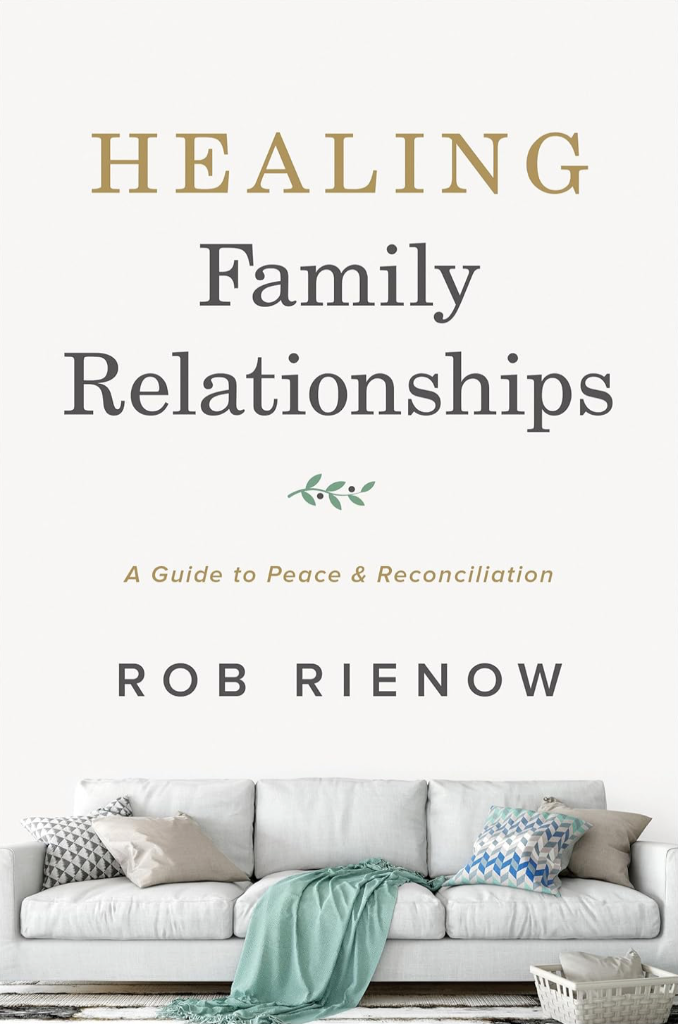
Healing Family Relationships: A Guide to Peace & Reconciliation
Rob Rienow
Rob Rienow offers a compassionate, biblically-grounded guide for families seeking to heal broken relationships and rebuild connection. This book provides practical tools for addressing conflict, understanding family patterns, and pursuing genuine reconciliation rooted in God's design for families.

